| Request a Free Estimate |



Asphalt or Concrete: Which is the Best Choice for Your Paving Project?
Asphalt or Concrete Paving: Which is the Best Choice for Your Paving Project?
If you are working on a paving project, should you choose asphalt or concrete? Which will last the longest and require the least maintenance? Which one is the most cost-effective? It may surprise you to learn this, but there’s no one right answer to these questions. Whether your project will best be served by asphalt or concrete paving depends on factors that include the way the pavement will be used, the amount of traffic, the size of the area, and even the climate in which your project is located. Knowing some key facts about asphalt and concrete will help you make the right decision.
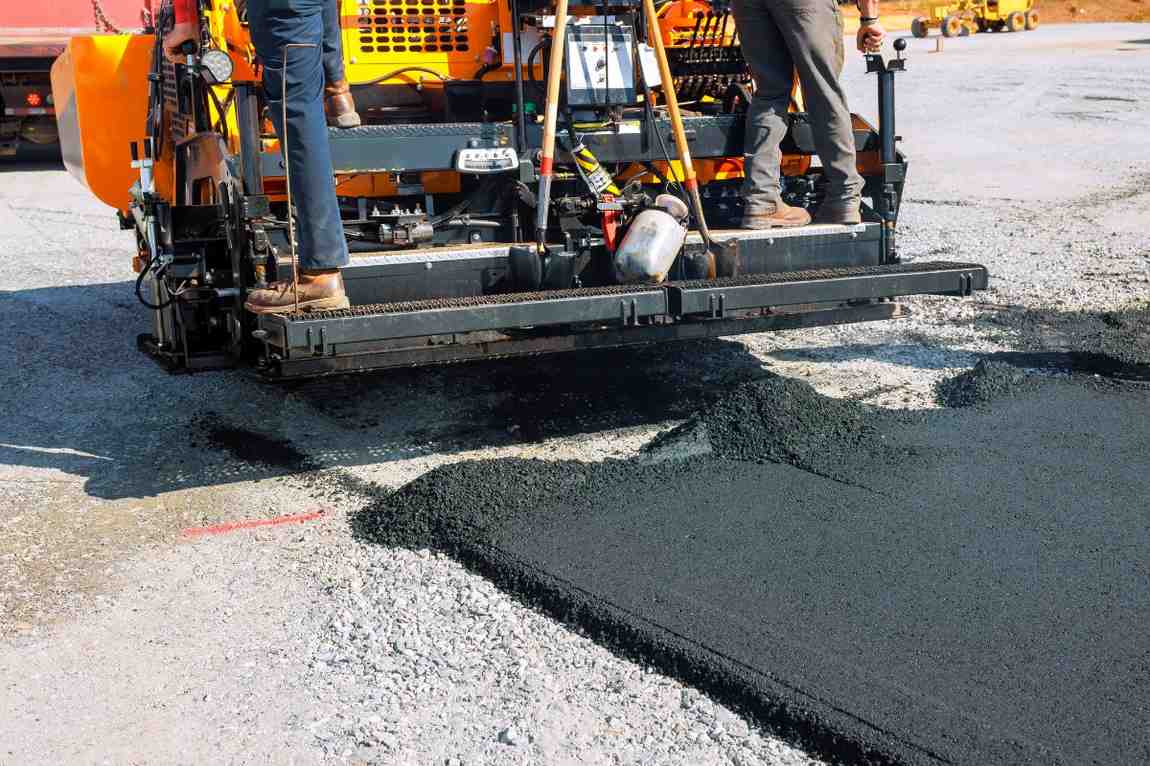
Understanding Asphalt vs Concrete Paving Materials
Did you know that asphalt was used by ancient civilizations like the Sumerians and Babylonians? In the 19th century, European engineers began refining asphalt to make it smoother and more durable, and in 1854, the first modern asphalt road was laid in Paris. When automobiles began to be the preferred method of transportation in the beginning of the 20th century, asphalt grew in popularity as a paving material, because of its quiet, flexible surface and ease of repair and maintenance. Cement is more of a newcomer on the scene. Invented in the 1800s, it became the main binding component in concrete, which became popular in roadways. Currently, concrete is only used in two percent of roads in the U.S., but it makes up 20 percent of interstate highways. Both asphalt and concrete contain aggregate, whether that’s crushed stone, gravel, or sand, but while asphalt is held together with a black, sticky, petroleum-based binder, concrete is bound by Portland cement and water, through a chemical reaction.
Asphalt vs Concrete Durability
There is no question — concrete is incredibly durable. It can withstand heavy loads and last for many years without much maintenance. However, in extreme temperature swings, concrete can crack. Asphalt may not be as well-suited for heavy loads, but it’s flexible, and this makes it less likely to crack.
Asphalt vs Concrete Lifespan
Both asphalt and concrete can be expected to last for decades, when they’re properly installed and maintained, and the climate is moderate. Asphalt doesn’t last quite as long as concrete — the average is 20 to 30 years for asphalt and 30 to 40 years for concrete. However, it costs less to replace asphalt when it wears out. If maintenance is neglected, both types of pavement will fail within a few years.
Asphalt vs Concrete Installation
Asphalt is cheaper and faster to install than concrete. It can be installed quickly, and it cools down quickly enough that, in most cases, use of the surface can resume in 24 to 48 hours. Concrete is a different story. It requires time for precise preparation, form setting, and curing, and this can mean waiting days or even a week before usage can resume.
Asphalt vs Concrete Maintenance
Asphalt is prone to rutting, especially under heavy traffic, and this leads to a need for regular maintenance. It will need to be repaired occasionally, and sealed and resurfaced every few years. The good news is that it’s very easy to repair and maintain asphalt. Concrete needs much less maintenance, and this offsets its higher initial cost somewhat. However, concrete will need maintenance and repairs from time to time, and those tasks can be expensive and complex.
Asphalt vs Concrete Pros and Cons
Breaking it down into the simplest terms, it’s easy to see the pros and cons of both asphalt and concrete.
Asphalt:
- Pros:EconomicalWon’t Crack in a Cold ClimateEasy to Install and RepairHides Stains
- Cons:
- Prone to Bumps and Ruts in Hot Weather
- Requires Regular Maintenance
- Customization Options Are Limited
- Cons:
Concrete:
- Pros:Extremely DurableMinimal MaintenanceCustomizable
- Cons:
- Higher Upfront Costs
- Complex Installation and Maintenance
- Can Crack in Freezing Conditions
- Shows Stains
- Cons:
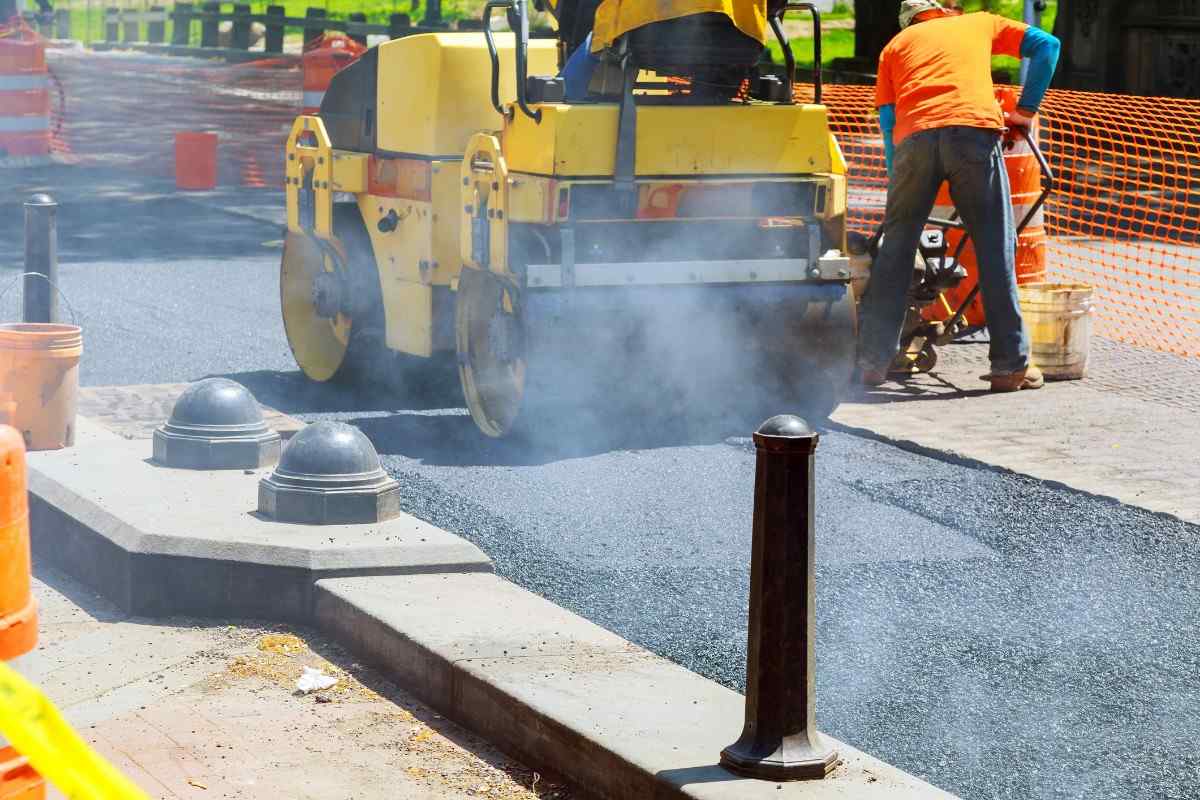
Best Applications for Asphalt vs Concrete
For projects with a big budget, in a hot climate, where high design flexibility and low maintenance are important factors, choose cement. In places with freezing winters, a project with a modest budget is better served by asphalt, as long as providing maintenance every few years isn’t a problem. Bridges, highways, and airport runways need cement; driveways, parking lots, and residential streets do well with asphalt.
How to Choose the Right Paving Material for Your Project
Making the right decision about your paving materials means considering all the factors that will come into play. What is the weather like in your location? How much weight do you need the paved area to support? Which type of paving material better fits your aesthetic? Is quick installation important to you? Asking yourself these and other questions will help you make the right choice.
Why Working with Professional Paving Contractors Matters
Professional paving contractors are experts, knowledgeable about what they do and how it should be done. A professional can advise you on the best options for your climate and your individual project, helping you to make the right choice. The contractor can explain weather concerns, local regulations, and other factors that will help you to make an educated decision. Further, scheduling regular maintenance with an expert contractor gives you the peace of mind that comes with knowing the job has been done well.
FAQs:
Which is Better? Asphalt vs Concrete for Residential Paving
If you regularly park large vehicles in your driveway, concrete might be the better bet. The same applies if you prefer the sleek look of concrete, or if you live in a climate with extreme heat. If you live in a climate where it often freezes, asphalt is a better option. Additionally, asphalt is better at hiding stains from oil, gas, or rust.
Which is Better? Asphalt vs Concrete for Commercial Paving
For a commercial property that will need to stand up to high-volume and heavy loads, concrete is durable and long-lasting. If you need pavement that is cost-effective and can be used quickly after installation, choose asphalt. Asphalt is also the way to go if you want to practice sustainability.
Which has Lower Environmental Impact, Asphalt or Concrete?
This is a difficult question to answer, because they both have pros and cons, in terms of environmental implications. Because asphalt uses petroleum-based products, you might think it’s the least eco-friendly, and it does have an environmental impact. On the other hand, the impact is offset by the fact that asphalt is easily recyclable. Concrete is also recyclable, but the process is more complicated than recycling asphalt. What’s more, concrete production uses significant energy and produces carbon emissions. So, despite the use of petroleum, asphalt is the more sustainable option.
When You Need to Choose the Right Paving Material for Your Project, Cooper Asphalt Paving Can Help
For over 25 years, the team at Cooper Asphalt Paving has been serving residential and commercial customers across Rhode Island, exceeding their expectations and building long-lasting relationships. This commitment to excellence comes naturally, rooted in four generations of paving expertise. In every season, for every project, whether it’s a small residential driveway or parking lot resurfacing for a property manager, our team is ready to complete the job quickly and efficiently. To learn more about how we can help you maintain your property, contact us to schedule a free estimate.