| Request a Free Estimate |



Don’t Wait Til It’s Too Late for Your Asphalt: Signs it’s Resurfacing Time
Don’t Wait Too Late: Signs Asphalt Needs Resurfacing
When you used asphalt for your paving project, you always knew that resurfacing was something you were going to have to do. How do you know when it’s time to resurface your asphalt? Don’t wait until it’s structurally unstable and in need of costly repairs! Paying attention to the little signs can help you determine when to resurface asphalt before it’s too late.
What is Asphalt Resurfacing?
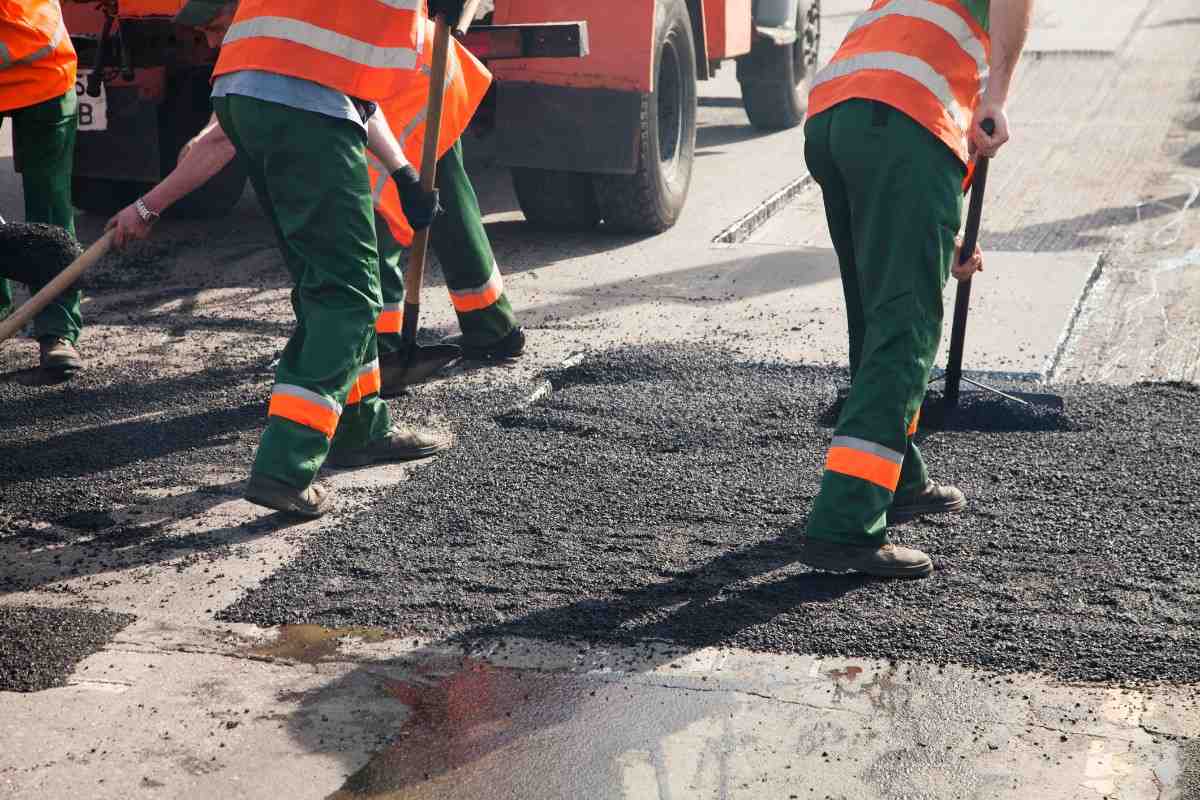
A key part of asphalt maintenance, resurfacing involves adding a new layer of bitumen, the binding agent in asphalt, over the existing asphalt surface. This allows you to restore the top layer without having to replace all of the asphalt, which can be an involved and expensive process. While patch repairs can help with small areas of damage, resurfacing asphalt provides a fresh, even layer of protection to the entire surface.
Common Asphalt Resurfacing Signs: From Cracks in Asphalt Pavement to Potholes in an Asphalt Driveway
Keep an eye on your asphalt, and you’ll notice small signs of damage. Repairing these little spots of disrepair can prolong the life of your asphalt surface, but when the signs become consistent, it’s time to go ahead and resurface, to avoid major repairs later. You’ll probably need to resurface your asphalt when it’s between 10 to 15 years old, but there will be other signs, as well, including:
- Cracks throughout asphalt pavement.
- A faded, rough, dull appearance, due to UV radiation.
- Potholes in an asphalt driveway.
- Gravel coming loose, in a process called unraveling.
- Water pooling because of deformations in the surface of the asphalt.
- Repairs that are becoming more frequent, until you’re constantly patching little holes.
Asphalt Resurfacing vs Replacement: What’s the Difference?
If you wait long enough without resurfacing an asphalt surface, all those little signs that it needs repair will evolve into a much bigger problem. Once the underlying structure of the asphalt is damaged, you will probably need to replace it rather than resurfacing it. And while resurfacing just involves putting down an overlay, replacement is a much bigger deal. To replace an asphalt surface, you’ll need to completely remove the existing surface, along with its foundation, and then install brand new asphalt. Obviously, that is a much more involved process, and is more expensive, as well.
Benefits of Deciding to Resurface an Asphalt Driveway
When you resurface an asphalt surface in a timely manner, you’ll extend its lifespan. Resurfacing keeps it from being further damaged by moisture, oil, and debris, by sealing the top layer and keeping those contaminants out of the base layer. This makes the pavement look better, makes it safer, and improves the experience of driving or walking on it. Not only that, but resurfacing protects the structural integrity of the surface and promotes reliable drainage. All of these benefits add up to the most significant benefit of all — financial savings over a full replacement.
Asphalt Maintenance Tips to Extend Pavement Life
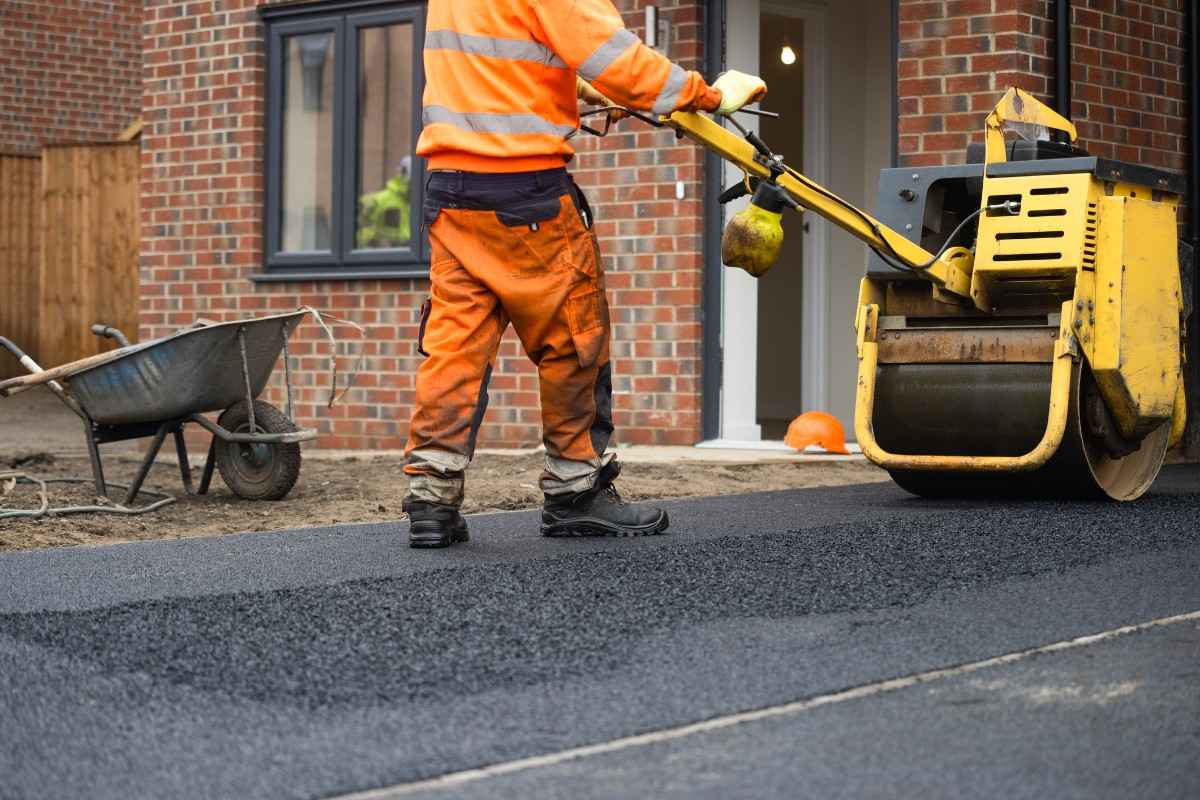
Of course, even as resurfacing delays the need for replacement, maintenance gives you more time before you need to resurface. Watch for cracks and holes, sealing them before water can seep into your paved surface and damage it further. Keep an eye out for spills and stains, too. While asphalt is good at hiding stains, cleaning them promptly can prevent degradation. If you’re proactive about keeping your asphalt in good shape, you’ll save money in the long run.
When to Call a Contractor for Professional Asphalt Resurfacing Services
While some people enjoy patching holes and cracks themselves, when it’s time to resurface the entire paved area, it’s wise to call a professional contractor. Professionals have the necessary expertise to do the job correctly, understanding all the details, from proper preparation to specifications for thickness and slope. When you hire an experienced contractor, you can have the peace of mind that comes from knowing the job will be done efficiently and correctly.
FAQs
When Is the Best Time to Resurface Asphalt?
It’s important to wait for the right conditions, so that resurfacing will be successful and result in a high quality finish. Plan to resurface when the weather is dry, the temperatures are mild, and your asphalt’s base layer is still intact.
What Can I Expect from the Asphalt Resurfacing Process?
Generally, the process starts with cleaning and preparing the surface, after which a tack coat is applied, for strong adhesion. A fresh hot mix asphalt layer is applied, compacted, and smoothed. The contractors will then check it for evenness and finish.
How Long Can I Wait to Resurface My Asphalt Pavement?
It’s crucial to avoid waiting on this project. While some small issues can be repaired, the asphalt must be resurfaced before the underlying layer begins to show signs of damage. If the foundational layer of the asphalt is damaged, you will likely need to replace the pavement.
Don’t Wait: Call Cooper Asphalt Paving for Asphalt Resurfacing
For over 25 years, the team at Cooper Asphalt Paving has been serving customers across Rhode Island, exceeding customer expectations and building long-lasting relationships. This commitment to excellence comes naturally, rooted in four generations of paving expertise. In every season, for every project, whether it’s a small residential driveway or parking lot resurfacing for a property manager, our team is ready to complete the job quickly and efficiently. To learn more about how we can help you maintain your property, contact us to schedule a free estimate.