| Request a Free Estimate |



The Importance of Choosing the Right Asphalt Mix for Your Project
The Importance of Choosing the Right Asphalt Mix for a Paving Project
How much attention do you pay to asphalt? You might not really notice it, until it’s time to use it for a project. When you are working on a construction project, you should consider asphalt the backbone of your pavement. Made from stone aggregates and a petroleum based binder, asphalt needs to be strong, reliable, and long-lasting, able to provide support throughout the years. How do you know which asphalt mix is right for you? Enlist the help of a professional asphalt contractor.
What Are Asphalt Mix Types and Why Does it Matter?
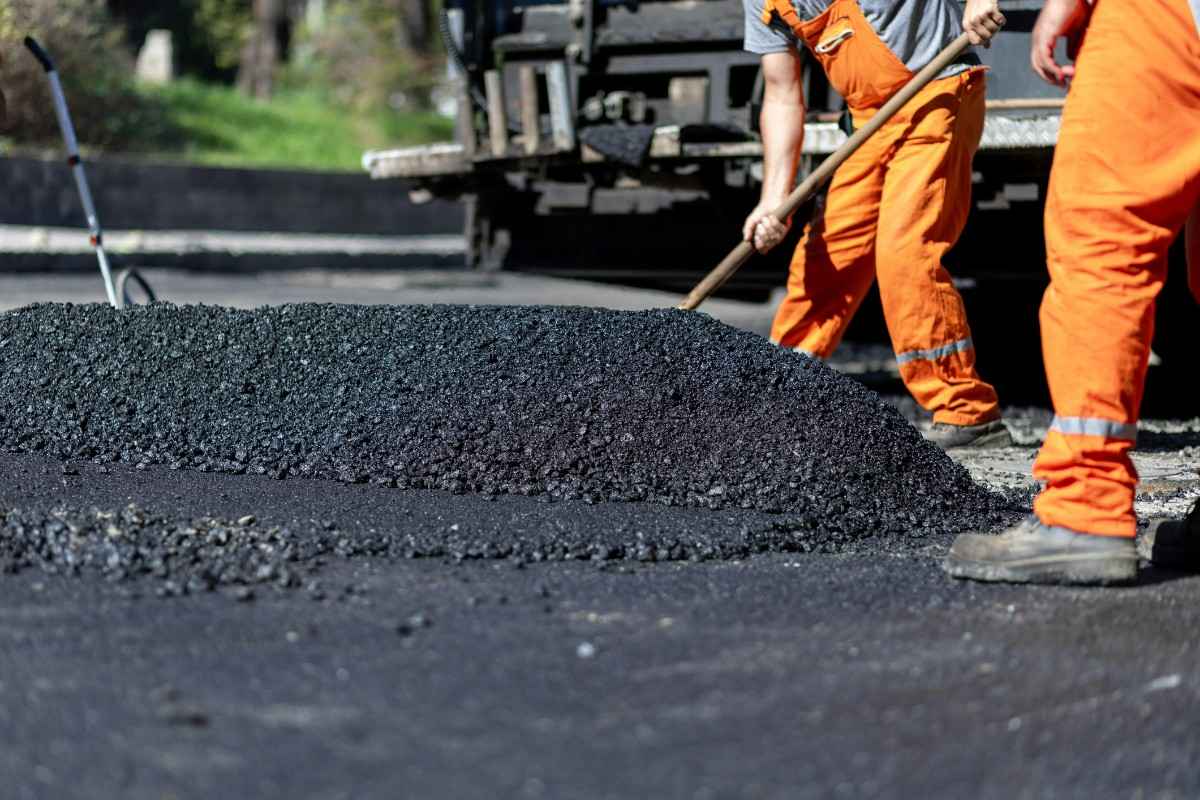
There are many different forms of asphalt, designed to meet different needs. There are hot, warm, and cold asphalts, but those are not the only categories for asphalt.
- Milled asphalt is made of existing asphalt, ground up and recycled into new asphalt. It’s a sustainable, cost-effective option, but it’s not as durable as new asphalt. However, it works well as a base for new asphalt, making it sturdier and more durable.
- Ultra-Thin Pavement (UPM) is designed to be used in extremely thin layers. Also called “fines” these asphalts are used for repairing things like bird baths, or for paving over surfaces where traditional asphalt can’t be used, or locations with weight restrictions, like historic buildings or bridges. It can be colored and stamped for a unique look, but it’s not as durable as hot mix asphalt and it requires specialized equipment, trained installers, and regular maintenance.
- Porous asphalt allows water to pass through the surface. This helps prevent flooding and erosion, and this strengthens stormwater management and improves water quality. It’s also good for allowing water to infiltrate the soil, thus reducing the urban heat island effect. Unfortunately, it’s very expensive and not as durable as hot asphalt, and it requires regular maintenance. Still, it’s an amazingly environmentally-friendly option.
- Dense graded mixes have high density and uniformly sized aggregate. Combining a precise blend of fine and coarse aggregates and asphalt cement, these mixes provide a durable, long-lasting surface. They are generally used for surfaces like roads, highways, airport runways, parking lots, driveways, and other high traffic areas. The downside to these mixes is that they require special equipment and trained personnel to install, and they can crack in extreme weather.
Different Types of Asphalt Mixes Used in Paving
The most common type of asphalt used for paving is hot mix asphalt (HMA). It is extremely strong and durable, making it perfect for high traffic areas and heavy loads. Warm mix asphalt (WMA) is also a popular option, because being produced at lower temperatures makes it more sustainable than HMA. Beyond that, there are various specialty blends that are used for cracks, potholes, and other targeted repairs, or for surface reinforcement. Some pavements need to withstand heavy loads, others need to be aesthetically pleasing, and different types of specialty blends can meet these needs.
Factors to Consider When Choosing the Right Asphalt Mix
When you are choosing an asphalt mix, you will have to consider the unique needs of your project, along with local regulations and material availability. Traffic volume and the types of vehicles that will be using the space must be factored into your decision, as well as the existing surface conditions. Perhaps the most significant factors, however, have to do with the weather. Each climate has different considerations, including temperature fluctuation, moisture concerns, and freeze-thaw cycles. In sunny climates, prolonged UV exposure can render asphalt brittle and faded, if the wrong mix is chosen. In wet climates, an asphalt mix must be chosen based on its porosity and ability to drain effectively. In areas where temperature fluctuations are extreme, the wrong asphalt can crack and deteriorate due to constant expansion and contraction.
Selecting the Right Asphalt for Pavement Durability
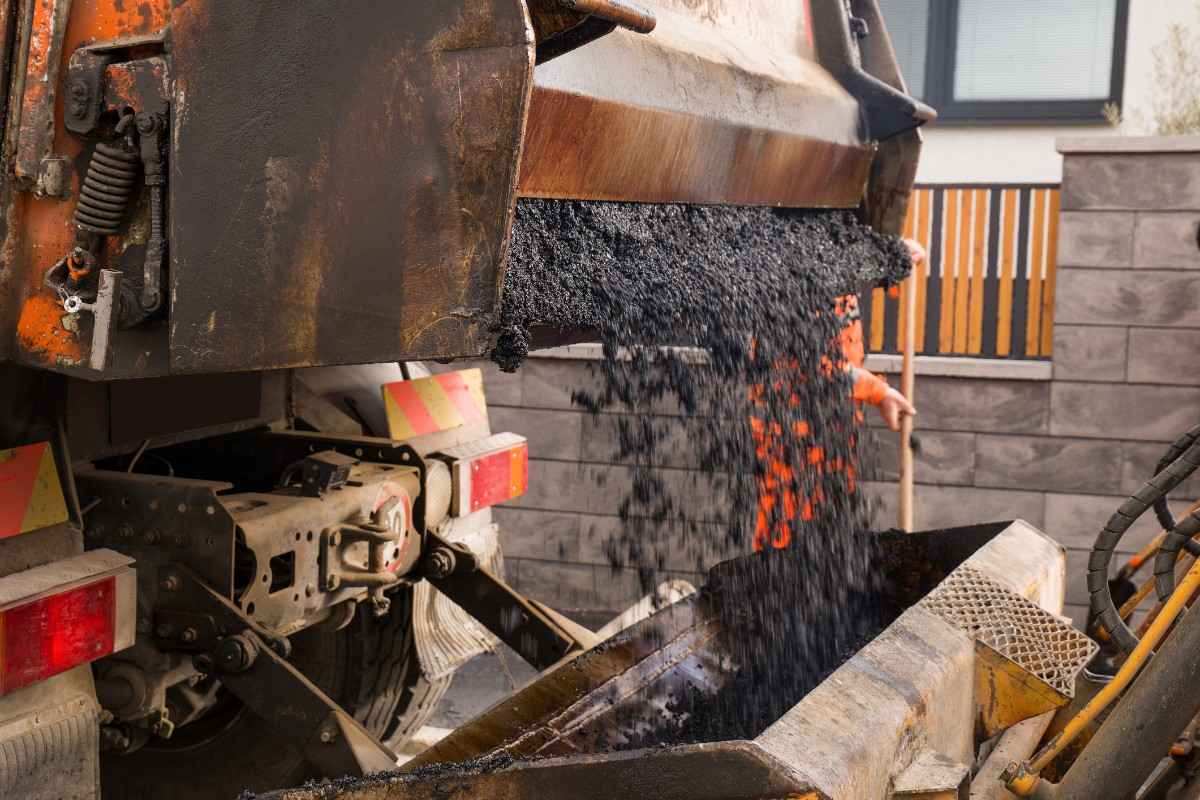
For a long-lasting surface, reduced maintenance cost, and enhanced safety, it’s important to choose the right asphalt. Think about factors like climate, traffic, and the scope of your project, taking the time to assess the situation fully before deciding on an asphalt mix. For high-traffic areas, dense-graded mixes offer durability and strength. If you’re doing an off-season repair, warm and cold mix asphalts offer flexibility. If your climate has heavy rainfall, porous asphalt is a good option for managing significant water. Understanding the different types of asphalt can help you make an informed decision that not only meets your immediate project needs but also your long-term maintenance goals.
Common Asphalt Mix Applications
Where will you use asphalt? It’s an ideal material for creating durable surfaces for commercial and residential applications, including driveways, parking lots, and roadways. When you choose asphalt for your project, you’re in good company — 94 percent of paved roads are made with this adaptable material.
Why Professional Asphalt Contractors Matter in Asphalt Mix Selection
As durable and versatile as asphalt is, choosing the right mix can be complicated. Working with an experienced asphalt contractor gives you an advantage, because the contractor will be familiar with the local climate, as well as local regulations. Someone with in-depth knowledge of asphalt mixes will be able to assess your unique project and help you find the asphalt mix that will work best for you.
FAQs
How Does Asphalt Mix Performance Affect a Project?
In short, if the asphalt doesn’t perform well, the project is likely to fail. It might not fail right away, but it will perform poorly, require more maintenance, and have a reduced lifespan.
What is the Difference Between Hot Mix Asphalt vs Warm Mix Asphalt?
Hot mix asphalt (HMA) is the standard asphalt, heated to 280 to 325 degrees and then laid down while it’s extremely hot. The drawback of HMA is that it can only be used in the warmer months, so that the base doesn’t cool too quickly. Warm mix asphalt (WMA) is manufactured at 200 to 250 degrees Fahrenheit, and it can be used in cooler temperatures. This kind of asphalt is used in approximately 30 percent of all paving products, and it’s better for the environment, as well as workers’ health.
How Important is Asphalt Mix Design?
Asphalt mix design refers to the proportions of the asphalt’s components. This is extremely important, because this ratio determines the strength and performance of the asphalt.
What Are Some Cold Mix Asphalt Uses?
Cold mix asphalt (CMA) contains a blend of oils and additives that allow it to be stored and then laid down cold. It’s generally not as strong as hot mixed asphalt, so it’s typically used for potholes, patchwork, and little-used surfaces.
When Choosing Between Asphalt Paving Materials, Trust the Experts at Cooper Asphalt Paving
For over 25 years, the team at Cooper Paving has been serving customers across Rhode Island, exceeding expectations and building long-lasting relationships. This commitment to excellence comes naturally, rooted in four generations of paving expertise. In every season, for every project, whether it’s a small job like a residential driveway or large one, like a commercial parking lot resurfacing, our team is ready to do the work quickly and efficiently. To learn more about how we can help you maintain your property, contact us today to schedule a free estimate.